Blog

  • Pakistan adds twelve heritage properties to its UNESCO tentative list

    Pakistan adds twelve heritage properties to its UNESCO tentative list

    Pothohar forts and monuments gain a place in the pipeline for possible future World Heritage nominations

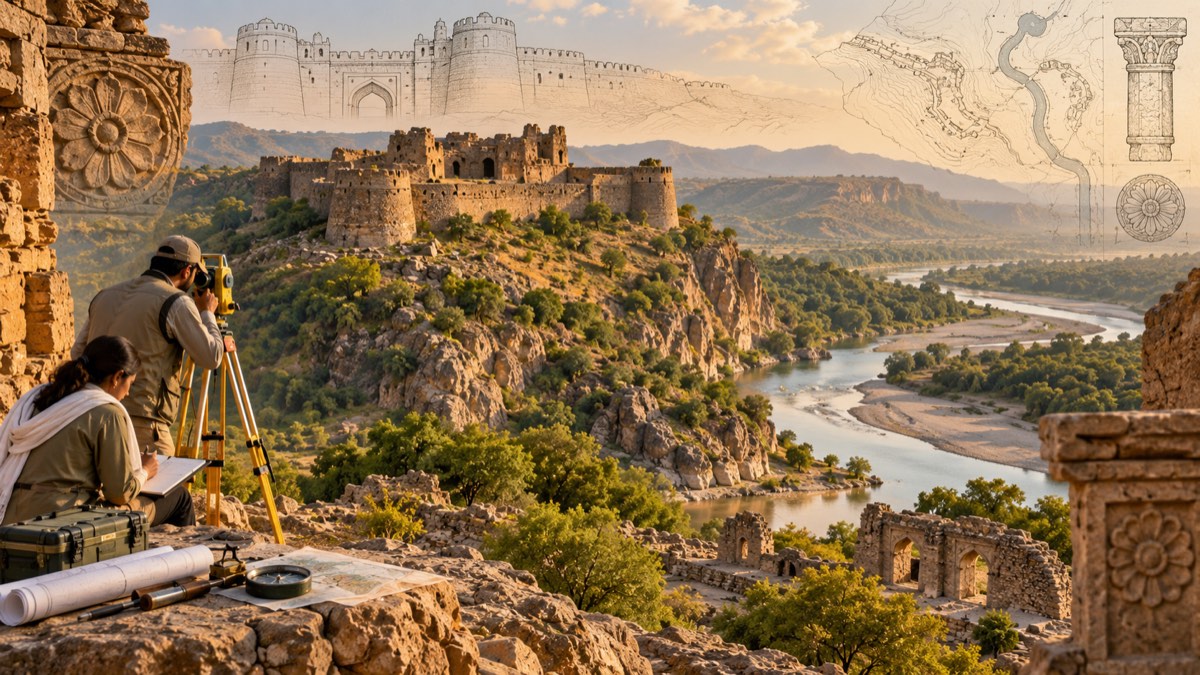
    Pakistan added 12 properties to its UNESCO World Heritage Tentative List in 2026, taking the national total to 37. The additions widen the range of places that Pakistan may consider for future nomination to the World Heritage List, although tentative status is only the beginning of a longer process.

    Several of the new entries highlight the history of the Pothohar region. Pharwala Fort, Mai Qamro Mosque, the Tomb of Sultan Muqarrab Khan and Rewat Fort were added in May. UNESCO says the sites reflect the political, military and architectural history of the Gakhar dynasty and the wider historical setting around the Soan River and Islamabad Capital Territory.

    A tentative listing does not grant World Heritage status. Before a site can be nominated, authorities need research, comparative analysis, conservation plans, management arrangements and evidence that the property may have outstanding universal value. That work can take years and depends on cooperation among federal and provincial agencies, specialists and local communities.

    Pakistan currently has six properties on the World Heritage List. Rohtas Fort, inscribed in 1997, remains the country's most recent addition. The expanded tentative list creates an opportunity to improve documentation and conservation even before any nomination succeeds. If handled carefully, the process can direct attention to neglected monuments, strengthen local heritage skills and support tourism that does not damage the places visitors come to see.


    Reporting sources

    Prepared as an editorial demonstration. A human editor should verify the article before publication.
  • Polio campaign presses ahead as protection of frontline teams remains critical

    Polio campaign presses ahead as protection of frontline teams remains critical

    The nationwide drive aims to reach more than 31 million children while Pakistan works to interrupt the last chains of wild poliovirus

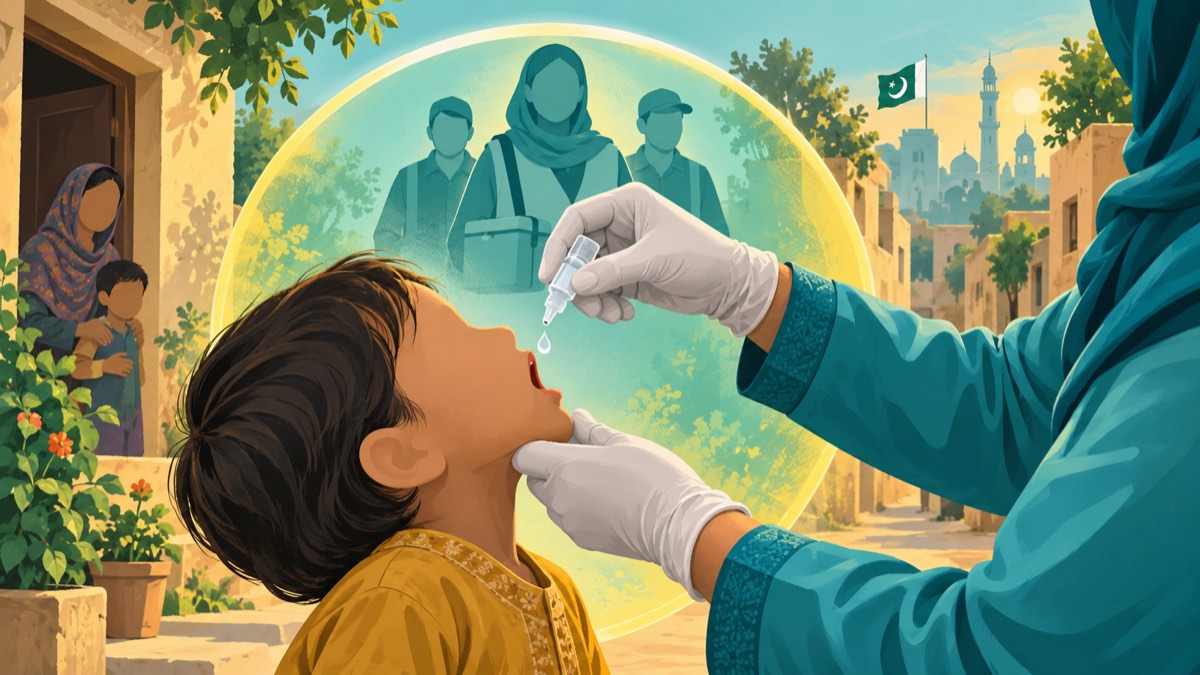
    Pakistan launched a week-long polio vaccination campaign in late September with a target of reaching more than 31 million children. The effort comes as the country continues to work with Afghanistan to stop the world's remaining endemic transmission of wild poliovirus.

    The campaign also exposed the danger faced by frontline teams. Two police officers assigned to protect vaccinators were shot dead in Nushki district, Balochistan, during the drive. The polio workers were inside a home administering oral vaccine drops and were not hurt. The attack shows how security risks can interrupt access even when vaccination teams are ready to serve communities.

    The World Health Organization reported in August that one wild poliovirus type 1 case had been recorded in Pakistan during 2026 at that point. The lower case count represents progress from 31 cases in 2025, but environmental surveillance continued to detect the virus. WHO identified southern Khyber Pakhtunkhwa and Karachi among the areas where transmission and operational difficulties require sustained attention.

    Polio can spread silently, so low case numbers do not by themselves prove that transmission has stopped. Repeated campaigns, routine immunisation, wastewater surveillance and rapid follow-up around detections remain necessary. Families can help by ensuring that eligible children receive drops during each round and complete their routine vaccinations. Authorities, meanwhile, must protect health workers without making communities feel threatened or excluded. Trust and safe access are both essential to reaching every child.


    Reporting sources

    Prepared as an editorial demonstration. A human editor should verify the article before publication.

  • Pakistan inflation reaches 10.26 percent in September

    Pakistan inflation reaches 10.26 percent in September

    Transport, electricity and food costs keep pressure on household budgets despite slower annual inflation than August

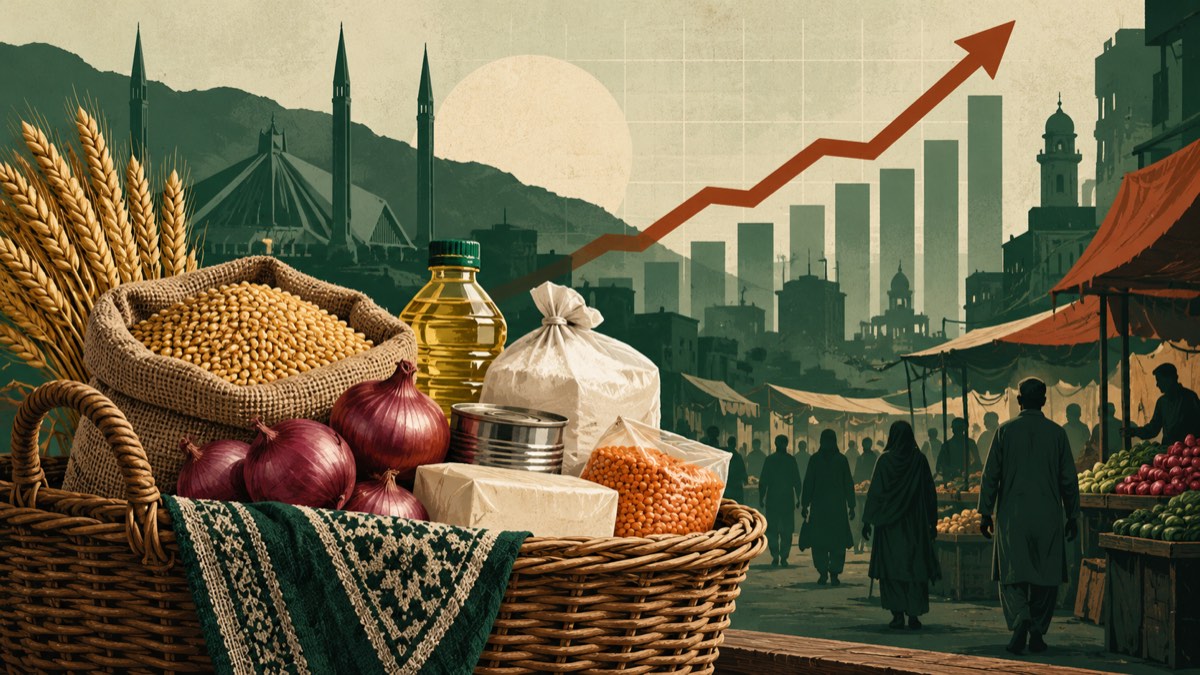
    Pakistan's consumer prices rose 10.26 percent in September compared with the same month last year, the Pakistan Bureau of Statistics reported. Prices increased 1.27 percent from August, while average inflation for July to September was 10.20 percent compared with the same three months a year earlier.

    The annual rate was slightly lower than the 11.1 percent recorded in August, but the detailed figures show that many essential expenses remain under pressure. Transport prices were 27.43 percent higher than a year earlier. Housing, water, electricity, gas and other fuels rose 12.39 percent, while food and non-alcoholic beverages increased 8.20 percent nationally.

    The impact varies between cities and rural areas. Average inflation during the first quarter of the financial year was 9.76 percent in urban areas and 10.86 percent in rural areas. Rural households faced sharp annual increases in onions, wheat and wheat flour, while some items, including potatoes, sugar, chicken and eggs, were cheaper than a year earlier. Electricity and motor fuel costs rose strongly in both urban and rural measures.

    For families, the headline rate describes an average and may not match their personal experience. A household that spends more on transport or wheat can feel a larger increase than the national figure. For businesses, higher energy and transport costs can feed into distribution and production expenses. The next monthly releases will show whether September's easing in the annual rate continues or whether new fuel and food pressures keep inflation near double digits.


    Reporting sources

    Prepared as an editorial demonstration. A human editor should verify the article before publication.
  • Global life expectancy returns close to its pre pandemic level

    Global life expectancy returns close to its pre pandemic level

    New WHO estimates show longer lives alongside a growing burden from chronic disease

    Global life expectancy reached 73.3 years in 2023, almost returning to the 73.4 years recorded in 2019 before the COVID-19 pandemic, according to new estimates released by the World Health Organization. The recovery marks progress after the sharp disruption of the pandemic, but the data also show that people are not regaining healthy years at the same pace.

    Healthy life expectancy stood at 62.8 years in 2023, still 0.4 years below its 2019 level. That difference matters because it measures the years people can expect to live in good health rather than survival alone. The figures suggest that health systems must prepare for ageing populations who may live longer with disability or chronic illness.

    Noncommunicable diseases accounted for 74 percent of deaths worldwide in 2023, up from 58 percent in 2000. Eight of the ten leading causes of death were noncommunicable diseases. Ischaemic heart disease remained the largest single cause, responsible for an estimated 9.5 million deaths in 2023. WHO also reported growing burdens linked to diabetes, dementia, mental health conditions and drug use disorders.

    The shift is visible across income groups. In low-income countries, communicable diseases accounted for less than half of deaths for the first time in 2023. That does not mean infections are no longer a threat. It means many countries must now handle infectious disease, maternal and child health needs, and chronic illness at the same time. The new estimates provide governments with a basis for deciding where prevention, primary care and long-term treatment need greater attention.


    Reporting sources

    Prepared as an editorial demonstration. A human editor should verify the article before publication.
  • Pakistan needs a water budget before the next shortage

    Pakistan needs a water budget before the next shortage

    Better measurement and efficient irrigation would turn a recurring emergency into a manageable national plan

    Pakistan's water debate often becomes loud only when reservoirs fall, canals run short or floods damage homes and crops. That cycle leaves the country reacting to each emergency instead of managing water as a limited resource throughout the year. A credible national water budget would be a practical place to start.

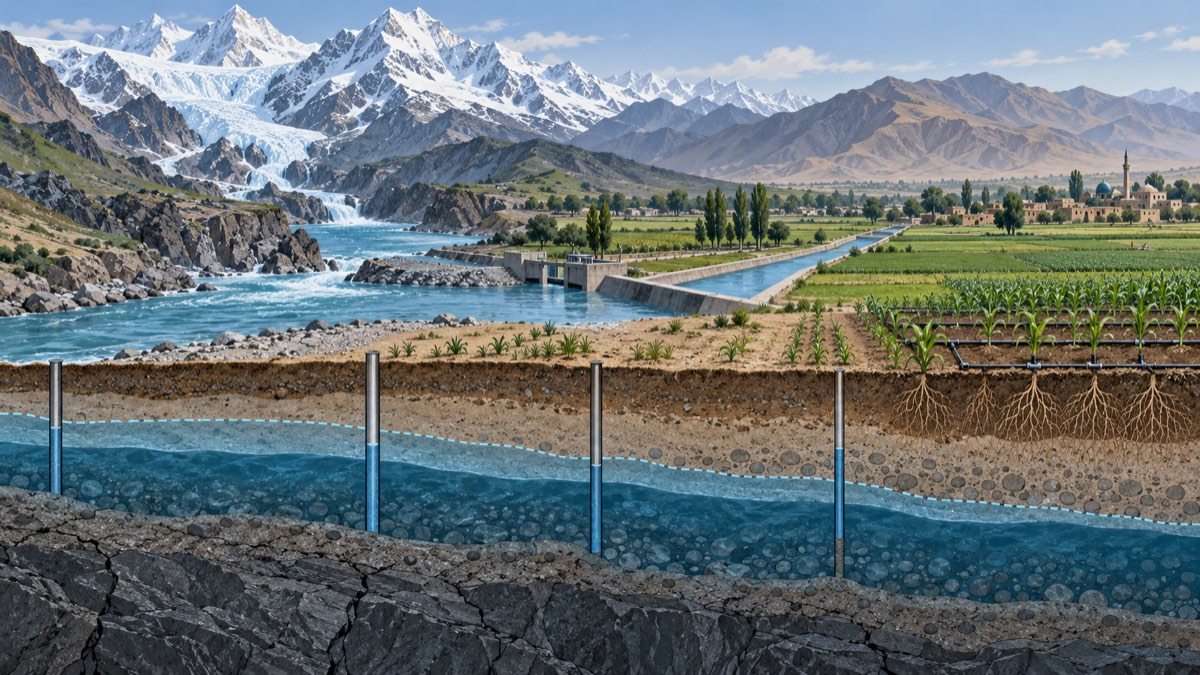
    Such a budget would track how much water enters the system, where it is stored, how much is withdrawn and what is lost before reaching farms, factories and households. The same discipline must cover groundwater. Tubewells have helped agriculture and cities grow, but unchecked pumping can lower water tables and raise the cost of access for everyone. Decisions remain weak when reliable local data are missing or arrive too late.

    Agriculture is the largest user, so improving irrigation would have the greatest effect. Lining selected watercourses, using laser land levelling, expanding drip irrigation where it suits the crop and publishing delivery data can reduce avoidable losses. Farmers also need forecasts early enough to adjust planting decisions. Conservation cannot rest on households while major distribution losses continue elsewhere.

    Pakistan should also protect recharge areas, treat wastewater for safe reuse and make provincial water data easier to compare. None of these measures produces the drama of a new dam announcement, but together they would improve day-to-day resilience. The aim is not to eliminate every shortage. It is to know the size of the problem early, allocate water openly and reward users who obtain more value from each unit consumed.


    Reporting sources

    Prepared as an editorial demonstration. A human editor should verify the article before publication.
  • Islamabad march begins after political talks end without agreement

    Islamabad march begins after political talks end without agreement

    PTI supporters set out from Lakki Marwat as the government prepares for a days-long protest convoy

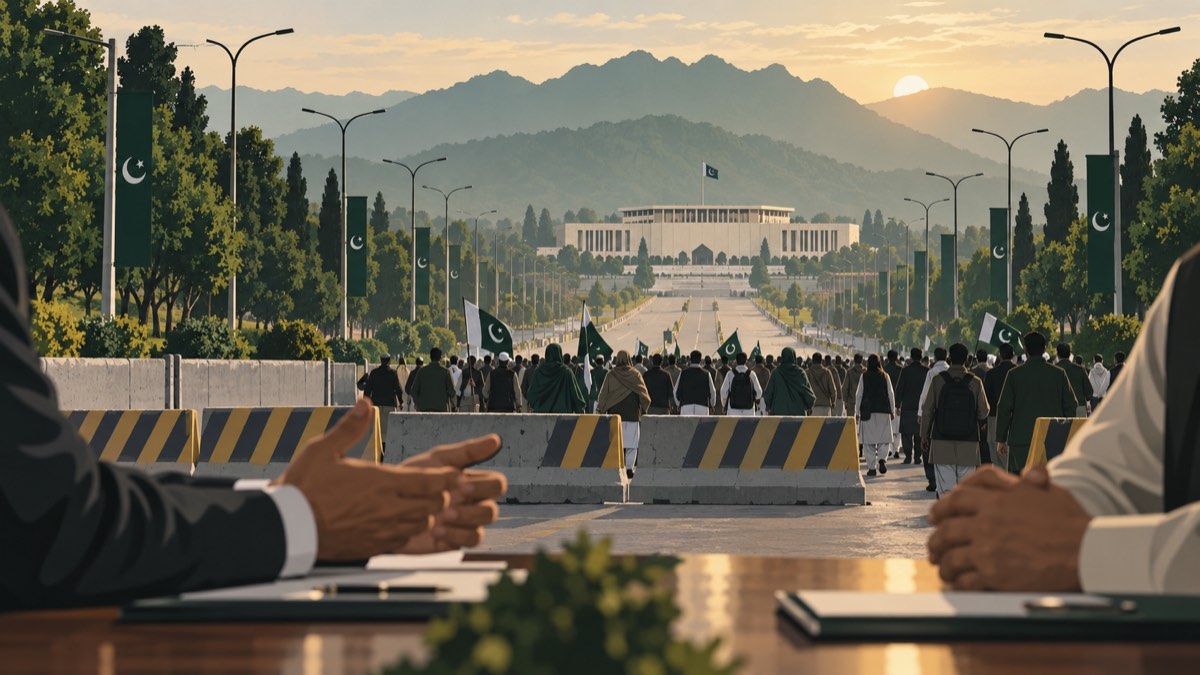
    Supporters of former prime minister Imran Khan began a days-long march toward Islamabad on Sunday after negotiations between the federal government and the opposition ended without an agreement. The convoy left Lakki Marwat in Khyber Pakhtunkhwa, with organisers planning several stops before the march reaches the capital.

    The immediate dispute centres on the planned protest and the opposition's demands concerning Khan, who has been in prison since 2023. Participants in the second round of talks met for hours at Parliament House on Saturday. Opposition representatives later said the discussions had reached a deadlock. Government figures and opposition leaders offered different accounts of why the talks failed, particularly over security policy in Khyber Pakhtunkhwa and access to Khan.

    Authorities have placed shipping containers and other barriers on routes into Islamabad. The government has urged the organisers to delay the protest, citing a rise in militant attacks in the northwest. PTI leaders have maintained that their supporters will proceed peacefully and say they want Khan released, moved to a hospital for treatment and allowed fuller access to his family and doctors.

    The march adds pressure to an already tense political environment. The size and pace of the convoy, the authorities' response and any renewed dialogue will determine whether the confrontation stays contained. Both sides now face a clear test: protecting the right to peaceful political activity while preventing violence and disruption for residents along the route.


    Reporting sources

    Prepared as an editorial demonstration. A human editor should verify the article before publication.

  • Faisalabad hosts Pakistan Bangladesh and Sri Lanka in women’s under 19 tri series

    Faisalabad hosts Pakistan Bangladesh and Sri Lanka in women’s under 19 tri series

    The ten-match tournament gives young players extended preparation before major Asian and world events

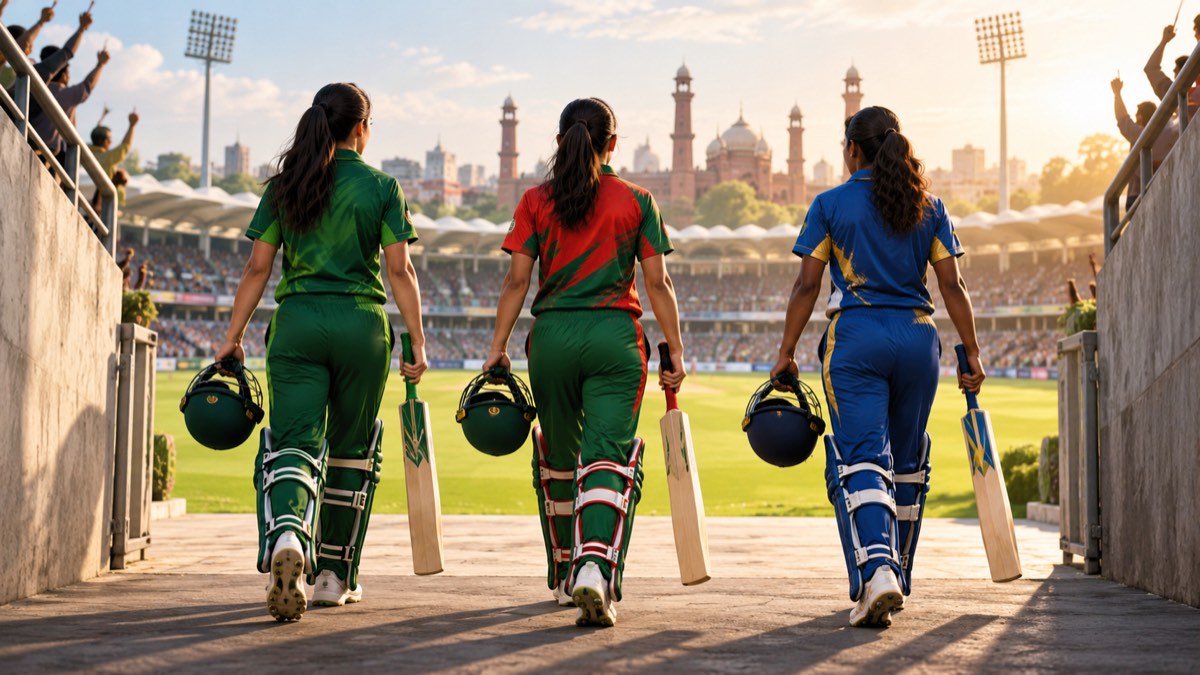
    Pakistan, Bangladesh and Sri Lanka have begun a women's under-19 T20 tri-series at Iqbal Stadium in Faisalabad. The competition runs from 2 to 16 October and uses a triple round-robin format, giving each side repeated match practice before the top two teams meet in the final.

    Pakistan opened the tournament against Bangladesh on 2 October and faced Sri Lanka the following day. The remaining league programme continues through 14 October, with the final scheduled for 16 October. All ten matches are being played at the same venue, reducing travel and allowing the teams to focus on preparation and recovery.

    The Pakistan Cricket Board has named a 20-player home squad led by Fizza Fiaz. Fifteen players can be selected on each match day, while the wider group remains available for rotation during the series. That arrangement gives team management an opportunity to test combinations and provide competitive experience to more players.

    The tournament is also significant for Faisalabad. The PCB said it is the first women's international cricket event at Iqbal Stadium, which hosted men's international cricket again in November 2025 after a 17-year gap. Saleema Imtiaz, a member of the ICC International Panel of Umpires, is among the match officials. With the ACC Women's Under-19 Asia Cup and the ICC Women's Under-19 World Cup ahead, the series offers all three teams a useful measure of their depth under tournament conditions.


    Reporting sources

    Prepared as an editorial demonstration. A human editor should verify the article before publication.

  • Hello world!

    Welcome to WordPress. This is your first post. Edit or delete it, then start writing!